
Lawyers spend years learning to write like lawyers. Then they spend the rest of their careers trying to undo that training. The reason is simple: plain english in legal writing why judges prefer it comes down to one fact—judges, clients, and readers need to understand what you're saying. When legal documents bury their message in legalese, everyone loses time, money, and patience. Law school teaches students to sound formal and precise, but legal writing professors increasingly recognize that accessible language serves justice better than archaic phrases and needless complexity. The challenge for lawyers is balancing compliance obligations with clarity, making court materials readable without sacrificing legal accuracy.
Spotlight on Plain English in Legal Writing
Plain language means writing that readers can understand the first time they read it. In legal writing, this means replacing legalese—those "heretofore" and "aforementioned" constructions—with direct, concrete words. The formal tone that dominates contracts, court orders, and legal notices often creates more problems than it solves.
Consider a typical payment clause: "Payment for the aforementioned services provided will be made according to the payment schedule outlined in this contract." Compare that to: "We will pay for these services in line with the payment schedule in this contract." The second version cuts unnecessary words and makes the obligation immediately clear to readers.
Law school training and legal writing professors shape how attorneys write, but decades of practice have shown that complexity doesn't equal competence. A comprehensive study of 292 judges found that they prefer plain English to legalese by a 66% to 34% margin. This preference held across federal trial judges, appellate judges, and state court judges.
The benefits of plain language extend beyond judicial preference. When General Electric converted to plain language contracts, it negotiated contracts 60% quicker. The Royal Bank of Scotland simplified its standard supply contract from 18,000 words to about 6,000 without compromising legal meaning. These instances show that plain english reduces costs, speeds up negotiations, and helps all parties comply with their obligations more easily.
Government agencies and courts have recognized these significant benefits. The Plain Writing Act of 2010 requires federal agencies to use plain language in documents intended for the public. The law defines plain writing as "writing that is clear, concise, well-organized, and follows other best practices appropriate to the subject or field and intended audience." This compliance requirement reflects a broader recognition that confusing documents waste resources and frustrate readers.
Plain language doesn't mean dumbing down legal writing. It means applying principles that make sentences clearer: keeping subjects, verbs, and objects together; using active voice; choosing concrete words over abstractions; and organizing information so readers can access what they need. Legal drafting improves when writers focus on these elements rather than defaulting to traditional legalese.
The Judges' Perspective on Court Orders and Court Decisions
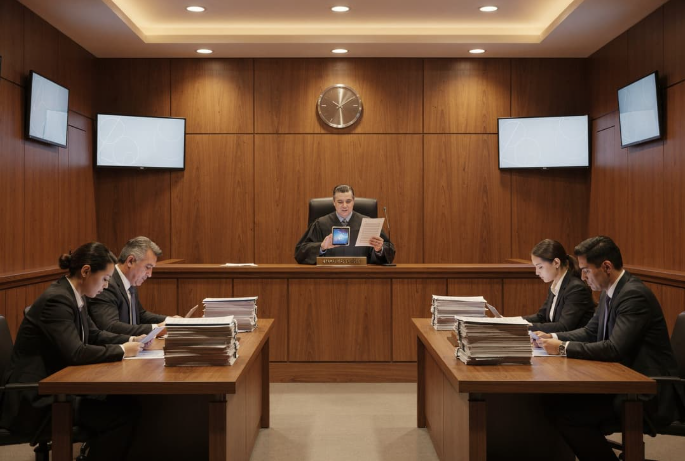
Judges write dozens of court orders and court decisions each month. They're acutely aware that their readers include not just attorneys and lawyers, but also parties to the case, the media, and the public. When judges use plain language, they make justice more accessible.
Chief Justice John Roberts exemplifies this approach. Jeffrey Toobin describes Roberts as a "brilliant writer—clear, epigrammatic, eloquent without being verbose." Roberts integrates narrative in a way that explains issues so that even non-lawyers can understand the stakes. This matters because court decisions set precedent and guide future cases. When judges write clearly, they reduce confusion and help attorneys apply the law correctly.
In one instance, Judge Carolyn Wright noted, "It's easier for a judge when you're using common usage. Judges are only human, after all." This simple observation captures a key truth: formal, convoluted language makes everyone's job harder. Judges must wade through motions, briefs, and contracts filled with unnecessary phrases. When lawyers write clearly, judges can focus on the legal arguments rather than decoding the language.
Former Judge Alex Kozinski explained that "simple, direct language is more persuasive than convoluted language" because it forces the writer to focus their thinking and sharpen the argument. Abstract language tends to be soft and ambiguous, easily dismissed by someone leaning the other way. For example, a court order about patient payments becomes more effective when it states exactly who must pay what amount by which date, rather than burying those details in legalese.
Overcoming Obstacles in Legal Writing Practice
Despite the clear benefits, many lawyers resist adopting plain language. Some common mistakes include overusing legalese to sound more professional, relying on templates without updating outdated phrases, and assuming that complexity signals expertise. These habits lead to documents that frustrate readers and increase costs for clients.
Compliance requirements don't demand legalese. Government agencies, courts, and law firms can comply with legal obligations while writing clearly. For example, a notice about patient payments can explain payment terms in straightforward sentences without sacrificing legal precision. The key is recognizing that plain language and legal accuracy aren't competing goals—they work together.
Government agencies use tools like BriefCatch to craft persuasive, plain-language filings that resonate with judges and the public while maintaining clarity, consistency, and compliance. This approach cuts review and revision time, allowing legal teams to produce more documents without adding staff.
Law school training contributes to the problem. Students often model their writing on judicial opinions, which aren't necessarily the best examples of good legal writing. Legal writing professors increasingly teach plain language principles, but students still encounter decades of formal, complex documents in their coursework. This creates tension between what they're taught and what they see in practice.
To begin using plain english immediately, lawyers should review their standard templates and contracts. Look for phrases like "pursuant to," "heretofore," and "aforementioned." Replace them with simpler words. Turn passive constructions into active ones. Break long sentences into shorter ones. These changes require effort but produce documents that readers can understand without multiple readings.
Practical Steps to Apply Plain Language
Start by rewriting sentences to put the subject, verb, and object near the beginning. Instead of "Payment of all amounts due under this agreement shall be made by the purchaser," write "The purchaser will pay all amounts due under this agreement." This simple change makes the sentence immediately clearer.
Remove legal jargon that doesn't serve a precise legal function. Many phrases that appear in contracts and motions exist only because they've always been there. "Witnesseth" and "Know all men by these presents" add nothing. Cut them. Your writing will be stronger without them.
When you encounter a confusing phrase in your draft, ask yourself: "How would I explain this to a client over the phone?" That conversational version is usually closer to plain language than your first written attempt. You can then adjust it slightly to maintain appropriate formality for the document type.
Leading legal writing expert Bryan Garner recommends keeping average sentence length to about 20 words, using parallel phrasing for parallel ideas, and making everything speakable. These principles apply whether you're drafting court motions, contracts, or client communications. The goal is to help readers access your meaning without unnecessary effort.
Data from multiple studies supports this approach. Legal professionals read plain English 7% more quickly and answer comprehension questions with 19% more accuracy compared to legalese. In court form studies, plain-language versions achieved 81% accuracy compared with 61% on originals. These improvements matter for clients, attorneys, and courts.
International examples reinforce these lessons. Canada and other countries have implemented plain language requirements for government documents. The principles remain consistent across jurisdictions: use concrete words, keep sentences short, organize information logically, and write for your readers rather than for other lawyers.
Correct your writing by reading it aloud. If you stumble over a phrase or need to reread a sentence, your readers will too. This simple test catches many instances of needlessly complex language. You'll recognize opportunities to simplify without losing precision.
Charting a Clear Path With Plain English in Legal Writing
The evidence is clear: plain language benefits everyone in the legal system. Judges prefer it, clients understand it, and agencies require it. A survey of Texas judges found that more than 80 percent prefer plain language over legalese. This preference spans trial and appellate courts, federal and state systems, and judges of all backgrounds and experience levels.
For lawyers and attorneys, adopting plain english in legal writing means producing documents that serve their purpose more effectively. Motions become more persuasive. Contracts get negotiated faster. Court orders reach the right outcome because judges spend less time decoding language and more time analyzing arguments. Compliance obligations are met without sacrificing clarity.
Courts use BriefCatch to enhance judicial opinions' clarity by improving readability and precision in opinions, orders, and memoranda. Law firms use similar tools to boost clarity, precision, and persuasiveness in briefs, memos, and contracts. These resources help legal professionals apply plain language principles consistently across all their writing.
This article has aimed to answer a fundamental question: Why does plain language matter in legal writing? The answer comes from judges, clients, research data, and decades of practice. Plain English in Legal Writing isn't a trend or a compromise—it's the most effective way to communicate legal ideas. When you write clearly, you serve justice better, help your clients more, and make the law more accessible to everyone who encounters it.
Ready to improve your legal writing? Try BriefCatch free or book a demo to see how real-time editing suggestions can help you produce clearer, more persuasive legal documents. Visit our website to explore additional resources and learn how leading law firms, courts, and government agencies are making plain language their standard practice.


.svg)


.svg)

.svg)

.svg)